Course Description:
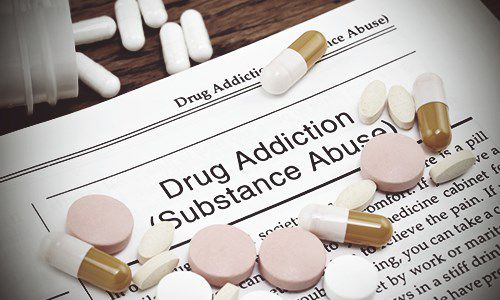
The Addiction Counseling course provides a comprehensive overview of the fundamental concepts and practical skills necessary for working with individuals struggling with addiction. This short course aims to equip participants with a strong understanding of addiction, its impact on individuals and communities, and effective counseling techniques to facilitate recovery and promote long-term healing. Through a combination of theoretical knowledge, case studies, and experiential exercises, participants will develop the essential skills to provide compassionate and evidence-based addiction counseling.
Course Duration: 6 weeks (12 sessions)
Module 1
INTRODUCTION TO ADDICTION COUNSELLING
By the end of the module, the trainee should be in apposition to understand the following:
Specific objectives
- Definitions of addiction terms
- Introduction to addictions
- Features of clinical diagnosis of addiction
- Commonly abused drugs
- Addiction and brain
- Causes of addiction
- Treatment of addiction
MODULE 2
BEHAVIORAL ADDICTION
Sex addiction and gambling and others
By the end of the module, the trainee should be in apposition to understand the following:
Specific objectives
- Sex addiction
- Give meaning of sex addiction
- Types of sex addiction
- Symptoms of sex addiction
- Causes of sex addiction
- Impact of sex addiction
- Treatment of sex addiction
- Gambling
- Meaning of gambling addiction
- Types of gambling addiction
- Symptoms of gambling addiction
- Causes of gambling addiction
- Other examples of behavioral addictions
MODULE 3
FAMILY THERAPY FOR SUBSTANCE ABUSE AND ADDICTION
By the end of the module, the trainee should be in apposition to understand the following:
Specific objectives
- Meaning of family therapy in addictions
- Types of family therapy
- Benefits for family therapy for addiction
MODULE 4
Substance use and co-curing mental disorders
By the end of the module, the trainee should be in apposition to understand the following:
Specific objectives
- Introduction
- Behavioral therapies
- Diagnosis and treatment
- Common co-curing disorders
Teaching Methodology:
The Foundations of Addiction Counseling course employs various teaching methodologies to create an engaging and interactive learning experience, including:
– Lectures and presentations: Instructors will deliver informative lectures and presentations to introduce theoretical concepts, research findings, and evidence-based practices in addiction counseling.
– Case studies and experiential exercises: Participants will engage in case studies, role plays, and experiential exercises to apply theoretical knowledge to practical counseling scenarios.
– Group discussions and peer learning: Participants will have opportunities for group discussions to share insights, perspectives, and experiences related to addiction counseling.
– Guest speakers: Experienced addiction counselors or experts in the field may be invited to share their expertise and provide real-world insights.
– Self-reflection and self-assessment: Participants will engage in self-reflection activities to enhance self-awareness, explore personal biases, and promote professional growth.
– Resource sharing: Participants will have access to a curated collection of resources, including readings, videos, and websites, to deepen their understanding of addiction counseling.
By the end of this course, participants will have gained a strong foundation in addiction counseling, enabling them to provide effective support, guidance, and intervention to individuals struggling with addiction, and contribute to their journey of recovery and long-term well-being.
Course Features
- Lectures 45
- Quizzes 4
- Duration 10 weeks
- Skill level All levels
- Language English
- Students 0
- Certificate Yes
- Assessments Yes
- 4 Sections
- 45 Lessons
- 10 Weeks
- MODULE 1 INTRODUCTION TO ADDICTION COUNSELLINGBy the end of the module, the trainee should be in apposition to understand the following: Specific objectives Definitions of addiction terms Introduction to addictions Features of clinical diagnosis of addiction Commonly abused drugs Addiction and brain Causes of addiction Treatment of addiction11
- MODULE 2 BEHAVIORAL ADDICTION22
- 2.1Behavioural addiction
- 2.2Why Certain Behaviours Are Regarded As Addictions
- 2.3Sex Addiction
- 2.4Symptoms of Sex Addiction
- 2.5Diagnosis of Sex Addiction
- 2.6What Causes an Addiction to Sex?
- 2.7Impact of Sex Addiction
- 2.8Treatment for sex addiction
- 2.9Gambling Addiction
- 2.10Are There Different Types of Gambling Addiction?
- 2.11What Causes an Addiction to Gambling?
- 2.12What Are the Signs of a Gambling Problem?
- 2.13Diagnosis
- 2.14Emotional Symptoms of Excessive Gambling
- 2.15Physical Symptoms of Excessive Gambling
- 2.16Short-Term and Long-Term Effects of a Gambling Addiction
- 2.17Treatment
- 2.18Internet Addiction
- 2.19Shopping Addiction
- 2.20Video Game Addiction
- 2.21Plastic Surgery Addiction
- 2.22Self-assessment questions10 Minutes5 Questions
- MODULE 3 FAMILY THERAPY FOR SUBSTANCE ABUSE AND ADDICTIONAddiction can significantly affect families by impairing the functioning, health, and overall well-being of every family member—for those suffering with substance abuse and those who are not, too.1,2 Just as problems within the family can influence addiction, a supportive family environment can play an important role in the recovery process.8
- 3.1What Is Family Therapy?
- 3.2How Does Family Therapy in Addiction Treatment Work?
- 3.3Benefits of Family Therapy for Addiction
- 3.4Types of Therapies
- 3.5Valuable Skills for Substance Use Counselors
- 3.6Formal Requirements for Substance Use Counselors
- 3.7Interested in Becoming a Substance Use Counselor?
- 3.8Self-assessment questions10 Minutes5 Questions
- MODULE 4 SUBSTANCE USE AND CO-CURING MENTAL DISORDERS8